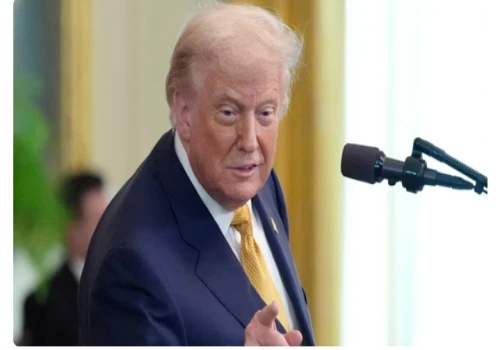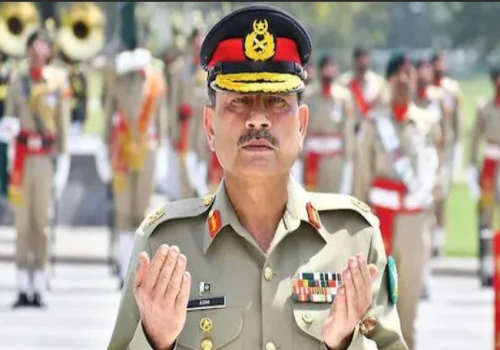
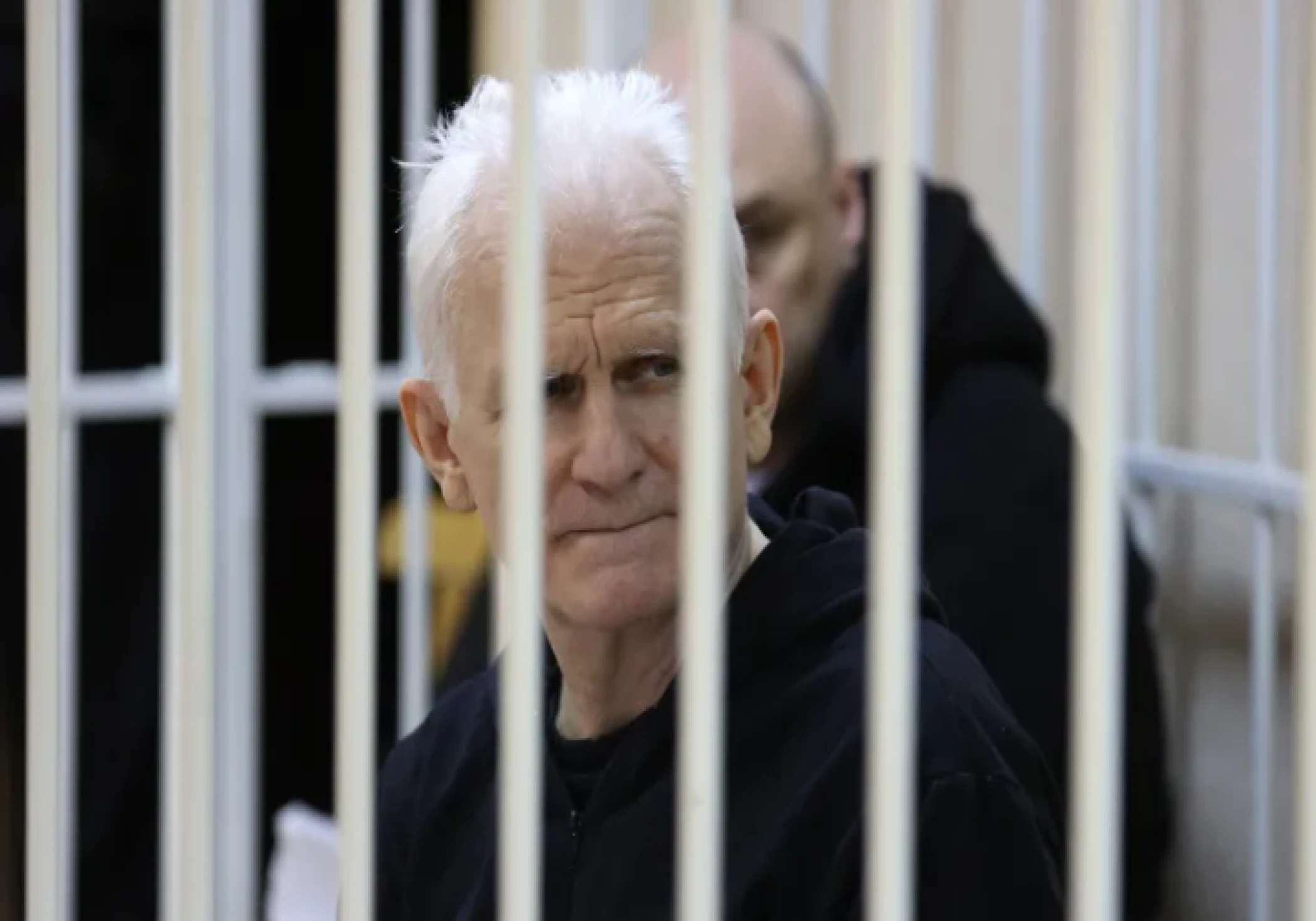
Belarus has released 123 prisoners following an agreement in which the United States agreed to lift certain sanctions, marking a significant diplomatic development between the two nations.
The release of the prisoners is being seen as a rare diplomatic breakthrough between Belarus and the United States, two countries whose relations have remained tense for years. The move reportedly came after prolonged negotiations involving humanitarian concerns, political pressure, and economic interests on both sides.
According to international observers, many of the released individuals were political detainees or activists who had been arrested during protests and crackdowns in recent years. Human rights organizations have long criticized Belarus for its handling of political opposition, calling the detentions unjust and politically motivated.
In exchange for the prisoner release, the United States agreed to lift or ease certain sanctions that had been imposed on Belarusian officials and sectors of the economy. These sanctions were originally introduced due to allegations of human rights abuses, election irregularities, and suppression of dissent.
Experts believe the sanctions relief could provide Belarus with limited economic relief at a time when the country is facing financial pressure and international isolation. However, US officials have clarified that the lifting of sanctions is conditional and could be reversed if Belarus fails to show continued progress.
Human rights groups cautiously welcomed the move but stressed that many prisoners remain in detention. They urged the Belarusian government to take further steps toward political reform, transparency, and respect for civil liberties rather than relying on isolated gestures.
This development may open the door to renewed diplomatic dialogue between Belarus and Western nations. Still, analysts warn that trust remains fragile and that sustained improvement will depend on Belarus’s future actions and commitments.