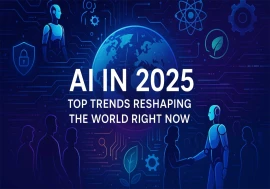
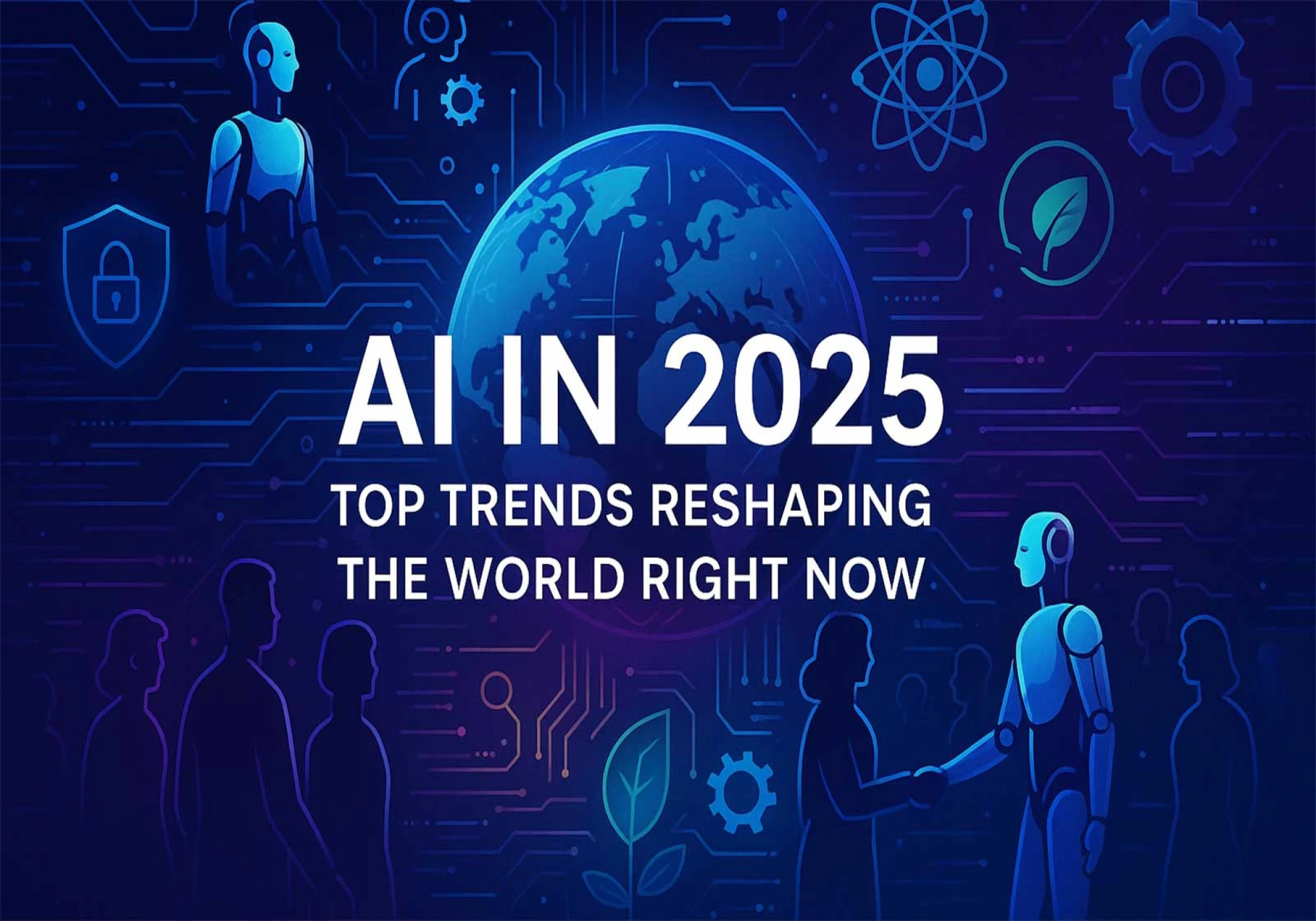
Artificial Intelligence stopped being “the future” in 2025 — it became the workplace reality.
Across industries, AI tools moved from experimentation to execution, changing not just how work is done, but who does what.
Here are the Top 10 AI Breakthroughs That Changed Work in 2025
1. AI Copilots Became Standard at Work
AI copilots integrated directly into work tools helped employees write, analyze, code, design, and plan faster — turning AI into a daily collaborator rather than a separate tool.
2. Generative AI Transformed Content Creation
Advanced generative models from companies like OpenAI and Google enabled professionals to create text, images, videos, and presentations at unprecedented speed.
3. Automation Replaced Tasks, Not Jobs
AI-driven automation handled repetitive tasks such as data entry, reporting, and scheduling — allowing humans to focus on strategy, creativity, and problem-solving instead of routine work.
4. AI-Powered Hiring and Recruitment
Recruitment processes changed dramatically as AI tools screened resumes, analyzed skills, and reduced hiring bias, making recruitment faster and more data-driven.
5. Personalized Learning at the Workplace
AI-powered learning platforms created customized upskilling paths for employees, adapting training based on performance, role, and career goals.
6. Real-Time AI Decision Support Systems
Executives and managers increasingly relied on AI-driven insights for forecasting, risk assessment, and strategic planning — turning data into instant decisions.
7. Rise of No-Code and Low-Code AI Tools
Employees without technical backgrounds began building workflows, dashboards, and automations using no-code AI platforms, reducing dependency on large tech teams.
8. AI Redefined Remote and Hybrid Work
AI improved remote collaboration through smart meeting summaries, sentiment analysis, productivity tracking, and virtual assistants — making hybrid work more efficient and measurable.
9. AI Ethics and Governance Entered the Workplace
Organizations introduced ethical AI guidelines, transparency rules, and human-in-the-loop systems to ensure responsible AI usage at scale.
10. Humans and AI Began Working as Teams
The biggest shift of 2025 wasn’t technological — it was cultural. AI became a teammate rather than a threat, reshaping job roles and redefining what “work” means.
Conclusion
2025 proved that AI doesn’t replace human value — it amplifies it.
Work became faster, smarter, and more collaborative, with AI handling complexity and humans focusing on judgment, empathy, and creativity.
The future of work didn’t arrive suddenly — it quietly logged in, joined meetings, and started helping.